- Instant email delivery
- Global licenses
- Secure checkout
- 24/7 customer support
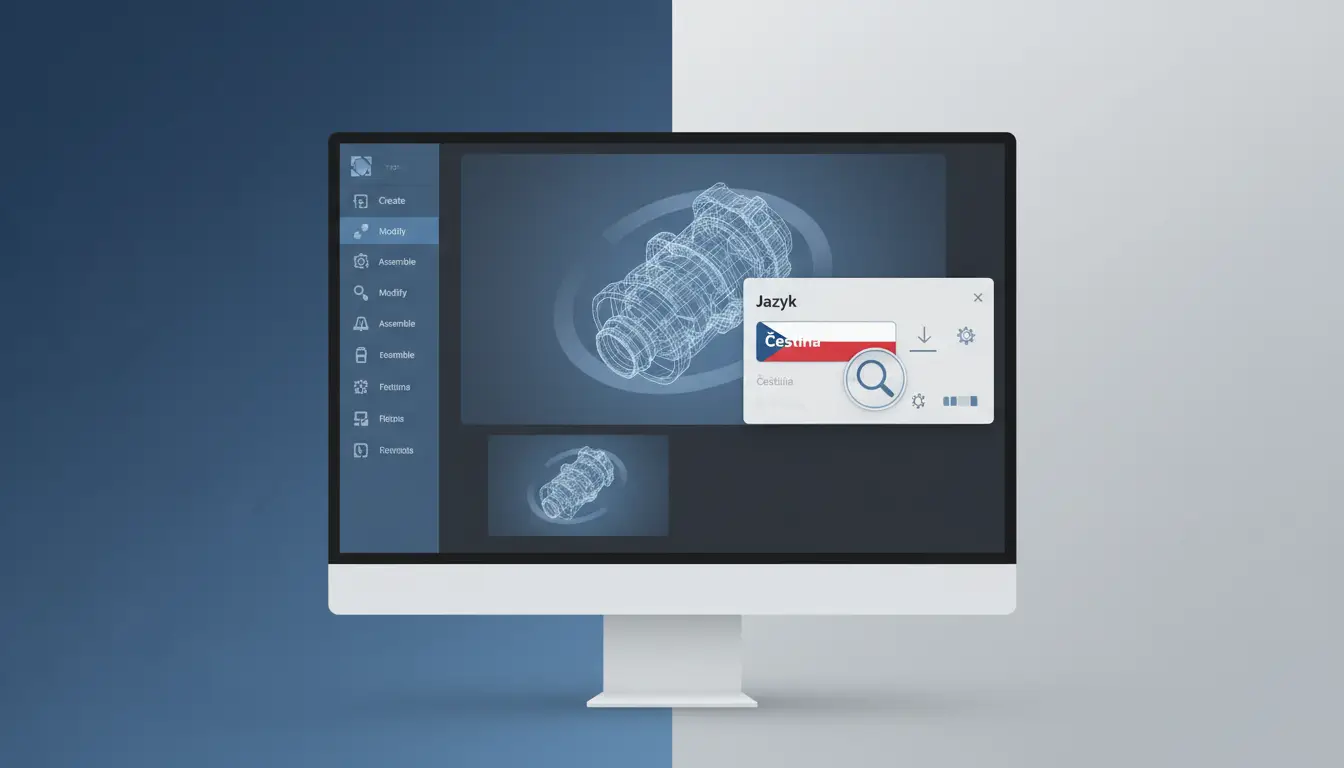
Fusion 360 supports a limited set of official user-interface languages, and Czech is not commonly listed among the default UI languages. Before assuming it’s unavailable, the best practice is to verify current language support on Autodesk’s product and support pages; language availability can change between releases, and official documentation will have the most accurate, up-to-date list. If Czech isn’t offered, typical alternatives are to run the product in a supported language (often English), rely on OS-level input and fonts for Czech text, or use translation tools for learning the interface.
To check yourself: review the product language dropdown or language notes on the official pages, consult the Fusion 360 help center or release notes, and inspect the installer or application preferences for language options. If you need a Czech interface for professional reasons, contact Autodesk support or request localization through their feedback channels. For product acquisition or an overview of the Fusion 360 offering, see the Fusion 360 product page at SoftAuthentic.
If you want to start with Autodesk’s official documentation or support center, visit Autodesk’s product and support pages.
Short answer: Czech is generally not an officially supported UI language for Fusion 360. If you require Czech specifically, first confirm by checking the application’s Preferences or installer language options and the Autodesk support pages linked above. If it’s not available, practical options include using a supported UI language while entering Czech text in designs, leveraging browser or OS translation for documentation, or submitting a localization request through Autodesk forums and support. Community forums can also point to partially translated resources or user-created guides that may help bridge the gap until official support appears.
czech in autodesk fusion 360
Before changing your installation or requesting a language pack, confirm whether Czech is officially provided for Fusion 360. Start by reviewing the product page and the Fusion 360 support center to see which languages Autodesk ships with each build, whether full localized builds or language packs are available, and which operating systems are supported.
Look for language or locale selectors on the product download pages and in the release notes; these will list supported translations and any regional limitations. If you need a vendor-specific overview, check the Fusion 360 product listing on SoftAuthentic for build options and licensing details: Fusion 360 product page. For authoritative support documentation and language policy, consult Autodesk’s Help & Support: Autodesk website.
Open Fusion 360 and verify the desktop UI language so you know whether Czech is available and active. Click your profile icon in the top-right corner, choose Preferences, and open the General tab. Within General, look for the Language setting — this dropdown shows the interface language currently in use and lists any selectable alternatives. When you pick a different language, click Apply (if shown) and restart Fusion 360 when prompted for the change to take effect.
Note that language entries frequently appear in their native spelling (for example “Čeština” for Czech), so scan the list carefully. If the option you want isn’t present, update Fusion 360 to the latest build and check again; language packs and localization updates are delivered with newer releases. Also be aware the app language can be independent of your Autodesk account language or your operating system locale, so signing out and back in or reinstalling the application with the correct regional installer can resolve mismatches.
If you need product details or downloads, see the Fusion 360 product page at Fusion 360 with FeatureCAM product page. For broader Autodesk documentation about supported languages and regional offerings, check the Autodesk product design & manufacturing pages.
If you specifically want to confirm Czech, look for “Czech” or “Čeština” in the Language dropdown. Select it, apply the change, and restart Fusion 360 — the UI should switch to Czech where translations exist. Some third‑party add‑ins or newly added features may still display in English until localized strings are released. If Czech is missing entirely, updating Fusion 360 or reinstalling with the latest regional settings is the usual fix; otherwise contact Autodesk support for guidance on language pack availability and rollout timing.
If you need czech in autodesk fusion 360, first confirm whether Autodesk publishes a Czech-language build for your platform. Language-specific installers are not always available for every release; when they are, you’ll download the localized installer instead of changing language inside the app. Start by signing in to your Autodesk account and checking the Fusion 360 download options for language selection.
When a Czech build is offered, choose the appropriate operating system (Windows or macOS), download the language-specific installer, and run it. The installer will guide you through the usual steps: accept the license, select install location, and confirm any prior-version handling. It’s safe to keep your settings and project files—most installers preserve preferences—but review prompts carefully in case an uninstall/reinstall is recommended.
If you acquired Fusion 360 through a third-party reseller, visit the vendor’s product page for guidance and downloads; see the Fusion 360 product page for Windows for additional details and compatibility notes.
After downloading the Czech installer, close Fusion 360 and any background Autodesk services before launching the package. Follow the on-screen prompts and choose the Czech language option if presented. If the installer asks about retaining previous versions or migrating preferences, accept if you want to keep your workspace; otherwise, perform a clean install. Once installation completes, launch Fusion 360 and verify the interface language under preferences.
If you don’t see a Czech option in your account or installer, contact Autodesk support or check your Autodesk account for regional availability on the official Autodesk website.
Before switching to the Czech language build, export your preferences and personal templates to a safe folder or cloud storage. This preserves workspace layouts, custom toolpaths and template files so settings aren’t lost during reinstall.
If you need official guidance on language support or product editions, consult Autodesk’s product design pages: Autodesk Product Design & Manufacturing.
czech in autodesk fusion 360 may not exist as a full localized build, but changing your operating system display language to Czech can prompt some application text and system dialogs to appear in Czech. This is a low-effort, reversible approach that can help with partial localization—particularly for system-level prompts (file dialogs, installer messages) and any parts of Fusion 360 that inherit the OS locale.
On Windows 10/11: open Settings > Time & Language > Language & Region, add Čeština (Czech), download the language pack and set it as the Windows display language, then sign out and back in. On macOS: go to System Settings > Language & Region, add Czech and drag it to the top of the list; you may need to restart affected apps or the machine. Remember to also check keyboard layouts if you type in Czech characters.
Limitations: this method does not create a full Czech UI inside Fusion 360 if Autodesk hasn’t provided localized strings for certain tool palettes, help content, or advanced menus. It mainly affects system-provided text and any app components that explicitly follow the OS locale. If you need a guaranteed localized experience, consult official resources first; for product details see the Fusion 360 product page.
Before switching, back up settings or note your preferred display language so you can revert quickly. If you run into issues, visit the Autodesk official site for support and localization guidance.
Why this helps: many applications rely on the OS locale to present standard dialogs, error messages, and timestamps. When Windows or macOS is set to Czech, those shared components will appear in Czech even if the main application UI remains in English. This is especially useful during installs, file operations, and when interacting with system alerts.
Practical tips: close and reopen Fusion 360 after changing the OS language; some changes require a full restart. If you see only partial translation, that indicates missing localized strings inside the app rather than a setup error. To return to your previous configuration, reverse the language order in your OS settings and sign out or restart.
If you want Czech in Autodesk Fusion 360, switch your operating system language first — the app follows the OS display language. Below are concise, safe steps for Windows and macOS; a full product reference is available on the vendor site.
For product details, see the Fusion 360 offering on SoftAuthentic: Fusion 360 with FeatureCAM and general Autodesk product information at Autodesk Product Design & Manufacturing.
If you need czech in autodesk fusion 360, start with real-time translators for documentation and web UI. For online help, use browser extensions or the DeepL and Google Translate websites to translate pages and knowledge-base articles quickly. When documentation is behind a sign-in or served as a web app, install a trusted translation extension in your browser so you can right-click and translate selected text without leaving Fusion 360 resources. For official product context and feature descriptions, check the Autodesk product pages for clarity and terminology.
Fusion 360 product overview and downloads and the official Autodesk product design pages are useful references when matching translated terms to interface elements.
When the UI itself is not available in Czech, use screen-translation tools and OCR apps. On desktop, capture a screenshot of the menu or tooltip and run it through an OCR translator such as Google Lens, Microsoft OneNote OCR, or mobile apps like TextGrabber to get a reliable text translation. Mobile apps with live camera translation (Google Translate/DeepL mobile) work well for dialog boxes on tablets. Keep a short glossary of recurring commands (e.g., sketch, extrude, assemble) so translations remain consistent across projects. Finally, verify critical terms against official documentation or community forums to avoid mistranslations that could affect modeling or CAM workflows.
If you’re looking for czech in autodesk fusion 360, start by submitting a clear localization request through Autodesk Support, the Fusion 360 forums, or the Autodesk Ideas/feedback channels. Describe which menus, dialogs, tooltips, or help articles are missing Czech, include screenshots or short video clips, and note the product version and platform. Concrete examples speed up triage and make it easier for localization teams to prioritize.
If you can translate, offer to contribute as a community translator: state your Czech language credentials, experience with technical or CAD terminology, and whether you can commit to terminology review and QA. Ask explicitly for access to localization resources such as glossaries, translation memory, and string extraction tools so your contributions match existing terminology and avoid duplicate work. Be prepared to supply sample translations and to participate in review cycles.
Raise visibility by posting on community channels and linking to the product context — for example, reference the Fusion 360 product page when describing affected UI areas. If a formal process is required, the localization or product team will usually respond with next steps, file formats, and testing instructions. Community contributions are highly valued; a polite, well-documented request or offer to help often opens access to the necessary resources. For Fusion 360 context, see the Fusion 360 product page.
Quick checklist to get started: 1) Open a Support case describing the need and attach screenshots; 2) Post on the Fusion 360 forum or Autodesk Ideas to gather community support and visibility; 3) Offer your services as a translator and request access to glossaries and translation memory; 4) Provide sample strings and context notes so reviewers understand intent; 5) Volunteer for in-app or beta testing once translations are staged. When you reach out, include contact details and a preferred workflow (files, web platform, or in-product translation tools) so the localization team can match you with the right process. For general Autodesk product and support information, visit Autodesk.
If your language change doesn’t take — for example when attempting to get czech in autodesk fusion 360 — follow these troubleshooting steps before opening a support ticket. Clearing Fusion 360’s local cache and restarting the application resolves most UI-language issues caused by cached settings or incomplete installs.
If problems persist, contact Autodesk for guidance or to confirm availability of Czech language builds. Provide the diagnostic details above to speed resolution. You can also consult local product documentation and downloads for Fusion 360 on the site linked below.
Fusion 360 resources and downloads • Autodesk support
When you contact Autodesk, ask them explicitly whether Czech language packs or localized builds are available for your operating system and your specific Fusion 360 build number. Request guidance on any known regional rollouts or workarounds and whether a language pack can be pushed to your account. If you’re on a managed or enterprise subscription, include your contract or reseller contact so support can check account-level deployment options. Keeping your account email, screenshots, and a short list of steps you’ve already tried will help Autodesk respond faster and confirm whether Czech is officially supported or planned for your environment.



 Autodesk
 Design Softwares
 CorelDraw
 Affinity V2
 Microsoft & Windows
 Windows
 Microsoft 365