- Instant email delivery
- Global licenses
- Secure checkout
- 24/7 customer support
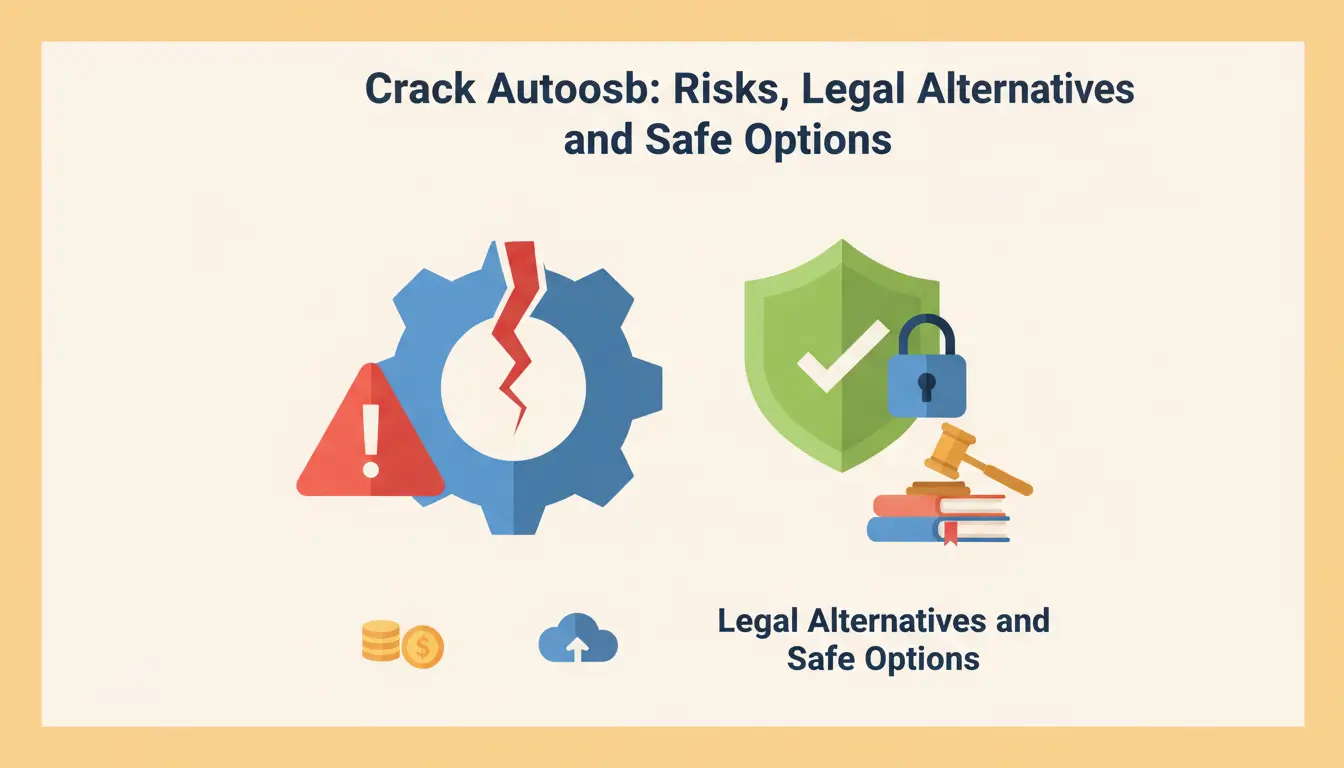
Many people type terms like “crack autodesk” into search engines because they face immediate barriers: high subscription costs, project deadlines that outpace procurement cycles, or a need to access a specific feature for a one‑off task. These motivations are practical rather than malicious in most cases — students, freelancers, and small firms often feel squeezed by licensing models. It’s important to state clearly that bypassing licensing is illegal and risky: cracked software can introduce security vulnerabilities, unstable behavior, and legal consequences. If cost or access is the issue, consider legitimate alternatives and support options before resorting to anything unlawful.
Users commonly pursue a crack because they want instant access to capabilities in products like AutoCAD without waiting for approvals. Safer alternatives include Autodesk’s official offerings — for example, product trials and education licenses — and exploring subscription tiers that match project needs. For details on product options and licensing, consult Autodesk’s official site for subscription and trial information. For specific product needs, you can also review detailed product pages such as the Autodesk AutoCAD listing to find the edition that fits your workflow. Choosing legitimate paths protects your work, ensures software updates and support, and avoids the security and legal risks tied to cracked copies.
Many people turn to crack autodesk hoping to save subscription fees or bypass trial limits. Financial pressure, tight deadlines, and a belief that “everyone does it” feed the misconception that cracking is low-risk. In reality, cracked software often lacks updates, official support, and can contain malware or unstable patches that corrupt projects.
Those hidden costs — data loss, unexpected downtime, security breaches, legal penalties and damage to professional reputation — commonly outweigh any short-term savings. Employers and clients are increasingly checking provenance and licensing, so a compromised file or audit can be far more expensive than a legitimate license.
Consider legal alternatives: scaled subscriptions, educational licenses, or verified sellers that provide legitimate AutoCAD packages like genuine AutoCAD options and the official Autodesk product overview.
Attempting to crack autodesk products exposes individuals and firms to significant legal and professional consequences. Beyond malware and instability, using pirated licenses is a clear violation of software license agreements and copyright law. Civil litigation can result in damages, statutory fines, and costly settlements; courts often award compensation based on lost licensing fees plus legal costs. Firms that tolerate or facilitate cracking may face contract termination, disqualification from bids, and reputational harm that can close doors to future projects. For professionals working with clients or in regulated industries, a single infringement can trigger breach-of-contract claims and professional indemnity actions.
Organizations should weigh these risks against legitimate licensing paths and managed deployment strategies. Many users mistakenly believe cracking is low-risk or anonymous, but modern forensic and license-auditing tools make detection and attribution more common. If you need a compliant alternative, consider official product offerings such as Autodesk AutoCAD through authorized channels or cloud subscription plans; detailed product options are available on Autodesk’s site and through resellers. For information about official Autodesk licensing and policies, consult Autodesk’s official site.
Courts treat unauthorized cracking as actionable infringement: plaintiffs can pursue statutory damages and injunctive relief that prohibits further use. Companies discovered using cracked software often face audits, back-payments for licenses, and negotiated settlements that exceed the original license cost many times over. On the contractual side, clients and partners typically include clauses allowing immediate termination for illegal software use; that can lead to project stoppage, loss of revenue, and professional sanctions. In short, the upstream savings from a cracked copy are dwarfed by downstream legal exposure—investing in proper licensing is the safer, more sustainable choice.
Using or distributing a crack autodesk copy exposes individuals and organizations to civil claims and contract remedies. Software vendors and rights holders routinely seek monetary damages, statutory penalties, and injunctive relief when unlicensed copies are detected. Beyond vendor suits, clients or employers can void warranties, withhold payment, terminate contracts, or demand remediation under indemnity clauses.
Evidence from audits, forensic logs, and license keys can form a strong basis for claims, and courts may award lost profits, license fees, and attorneys’ costs. Businesses face additional operational risks: suspended projects, reputational harm, and increased insurance premiums. To reduce exposure, maintain clear procurement policies, keep license records, and respond quickly to audits. For vendor guidance, see AutoCAD licensing information and consult Autodesk’s licensing terms.
Using a crack autodesk installer is a common shortcut that carries serious consequences. Cracked packages frequently bundle malware, alter core binaries, or disable update mechanisms, turning a one-off convenience into an ongoing security liability. Below I outline the primary technical and operational risks so you can weigh the true cost of bypassing legitimate licensing.
Cracked Autodesk distributions are often repackaged by unknown parties. Attackers inject trojans, keyloggers, ransomware, or persistent backdoors that survive reboots and evade casual scans. Those backdoors allow remote access to project files, intellectual property, and networked systems — enabling lateral movement to servers, cloud storage, or build machines. In parallel, patched or modified executables can corrupt files, break plugin compatibility, and block official updates or hotfixes, leaving you exposed to known vulnerabilities. Recovery is expensive: forensic cleanup, credential resets, rebuilds from clean backups, and potential client notification for breached data. Automated tools and AV signatures may miss custom-packed payloads, so the apparent “working” cracked app can be a long-term compromise.
If you need a secure, supported copy, obtain software through legitimate channels. For product information and proper licensing, see the Autodesk AutoCAD product page at SoftAuthentic and consult the Autodesk official overview for licensing options and security guidance.
Using a crack to bypass licensing may seem like a shortcut, but it exposes your workstation and projects to real hazards. Cracked installers and loaders are common vectors for malware, which can silently encrypt or corrupt files, harvest credentials, or inject persistent backdoors that survive reboots. Without official updates you also lose security patches, stability fixes, and compatibility improvements—so a single corrupted project file or an unexpected crash can cost hours or weeks of rebuilding work.
For teams and professionals, the cumulative risk is higher: missed updates mean incompatible file formats, plugin failures, and difficulties collaborating across differing versions. If you need legitimate options, consider checking licensed Autodesk product listings or subscribing to supported releases to keep projects safe; for product details see Autodesk’s official product overview.
Autodesk offers subscriptions, industry collections, and product-specific plans to suit different workflows and budgets. Searches for “crack autodesk” often come from users looking to cut costs quickly, but legitimate licensing delivers predictable updates, security patches, and vendor support that cracked copies never provide.
Standard purchasing models include monthly, annual, and multi-year subscriptions, as well as Industry Collections that bundle complementary apps for architecture, engineering, construction, or product design. There are also single-product plans (for examples like AutoCAD or Revit), enterprise licensing for large teams, and flexible cloud-credit models for pay-as-you-go services. Add-on services such as cloud rendering, advanced simulation, and training can be purchased separately to match specific project needs.
Deployment options vary: named-user subscriptions for individuals, shared seats for teams, and centralized license management for IT administrators. Support levels and upgrade rights depend on the subscription tier and whether you buy directly or through an authorized reseller. For an overview of available packages and to compare plans across the Autodesk portfolio, see the Autodesk product offerings.
When budgeting, consider total cost of ownership: software updates, compatibility with existing pipelines, and technical support. For short-term needs, trials and monthly subscriptions reduce upfront commitment, while multi-year plans often lower per-year costs and simplify procurement for ongoing production workflows.
Using a “crack autodesk” build risks malware, loss of support, license audits, and legal penalties. For safe alternatives, Autodesk provides free trials, educational licenses, and scaled subscriptions that let you test tools before committing. Authorized resellers can often tailor bundles and financing to match cashflow needs, and switching to named-user subscriptions improves security and support.
For authoritative details on licensing types, terms, and purchasing channels, consult Autodesk official licensing. If cost is a barrier, discuss phased rollouts or temporary add-ons with a reseller rather than relying on unsupported software.
Whether you’re exploring month-to-month flexibility, annual savings, or multi-year discounts, Autodesk offers tiered subscriptions tuned to project cadence and team size. Month-to-month plans suit short-term pilots; annual and multi-year subscriptions lower per‑seat costs and simplify budgeting. Free trials (typically 30 days) let you validate workflows in Revit, AutoCAD, or industry collections before committing.
Collections bundle complementary tools for architecture, manufacturing, and media to reduce integration friction: the AEC and Product Design suites consolidate modeling, documentation, and CAM workflows. For example, see the Revit product page for a sense of licensing options. To review Autodesk’s official collection overviews, visit the Autodesk AEC collections page.
Note: seeking or using unauthorized cracks violates license terms and poses security risks. Choosing the right subscription and trial route ensures legal support, updates, and cloud services that professional teams rely on.
If you’re tempted to crack autodesk, pause — there are legal routes that meet most needs without risking malware, legal trouble, or corrupt files. Autodesk offers robust free trials and education licenses for students and educators, while smaller firms and hobbyists can often rely on lower-cost or open-source tools that cover drafting, modeling, and rendering workflows.
Start with Autodesk’s own trial and education pathways: many flagship apps (AutoCAD, Revit, Fusion 360) provide time-limited trials and free educational access for verified users. For professionals who need a lighter, cheaper footprint, AutoCAD LT or subscriptions by discipline can be more affordable than full suites. For open-source and budget-conscious alternatives, consider FreeCAD or LibreCAD for CAD tasks, Blender for modeling/visualization, and Fusion 360’s free tier for hobbyists and startups. These options reduce upfront cost while keeping your workflow legal and maintainable.
Before choosing, map required features (BIM, parametric modeling, CAM) and test trials. For a quick roundup of available products and tailored options, see the Autodesk product listings on SoftAuthentic. For official licensing and education details, consult Autodesk’s site to verify eligibility and trial terms.
Using cracks risks corrupted project files, blocked updates, and security breaches. Legitimate alternatives preserve compatibility with industry standards, ensure access to customer support, and avoid the ethical and legal consequences of pirated software. If budget is the barrier, leverage student licenses, short-term subscriptions, community editions, or open-source tools that integrate with common file formats. Taking these paths protects your work and reputation while providing the features you need to deliver professional results.
crack autodesk is a common search, but students and educators can often avoid illegal copies by using official channels. Autodesk provides free education licenses and time‑limited trials for many products, which are intended for learning and coursework and keep you compliant and secure. For an overview of available offerings and downloads, see our Autodesk product hub.
If an official license isn’t an option, several mature open‑source CAD tools are viable substitutes: FreeCAD for parametric modeling, LibreCAD for 2D drafting, OpenSCAD for programmatic designs, and Blender for mesh modeling and visualization. These tools cover a wide range of workflows and have active communities and export options compatible with many Autodesk formats.
Avoid using cracks: they carry legal, security, and reliability risks. Start with Autodesk’s official education and trial pages to get legitimate access, and consider open‑source alternatives when they better match your budget or workflow needs. For official Autodesk information visit the Autodesk official site.
If you’ve used crack autodesk builds, moving to a legal setup is both responsible and surprisingly straightforward. Start by auditing your current projects and plugins: list file types, third‑party add-ons, and any custom libraries so you know what must be preserved or updated. Back up every project and create checksums where possible. Next, choose the right licensing plan for your team—single seat, network, or subscription—based on active users and collaboration needs. When selecting a product, consult the official product page for details; for example, the AutoCAD product information can help you decide if you need AutoCAD or a broader collection. Purchase through an authorized channel, download a clean installer, and register with an official Autodesk account to receive updates and support. Remove any crack-related files and registry entries before installation to avoid conflicts; a fresh OS profile or VM is often the safest route for critical projects. Finally, set a migration schedule that includes a parallel testing period so your team can validate workflows without downtime, and document licensing policies to prevent future compliance risks.
Validation means practical testing. Open representative files in the licensed build to confirm geometry, layers, and linked references behave identically. Test custom scripts, macros, and third‑party plugins in an isolated environment and update or replace extensions that depend on patched executables. Check export/import workflows (DWG, IFC, STEP) against recipients’ software versions to prevent downstream issues. If performance or rendering differs, compare renderer and GPU driver compatibility and update drivers as needed. Keep a rollback plan: preserve original backups and a short window where both environments are accessible. If you encounter format or feature gaps, consult Autodesk’s official documentation for migration tools and consider contacting support for specific conversion guidance.
When migrating projects, never resort to crack autodesk methods; they risk file corruption, security breaches, and loss of vendor support. Start with a full backup strategy: archive source files, linked assets, and relevant dependencies to offline storage and version control.
Verify file compatibility by opening representative files in the target Autodesk release and exporting to neutral formats (DWG, DXF, IFC) for cross‑product workflows. Test custom families, macros and plugins in a sandbox to identify API changes or missing libraries. Maintain a migration checklist that logs software versions, patch levels, and conversion notes.
Keep archived copies of the original authoring environment and document any manual fixes applied. If you hit compatibility blockers or licensing questions, contact Autodesk or an authorized reseller for assistance; their support can reduce downtime and preserve project integrity. For product specifics, see the AutoCAD compatibility guide and Autodesk support.



 Autodesk
 Design Softwares
 CorelDraw
 Affinity V2
 Microsoft & Windows
 Windows
 Microsoft 365